

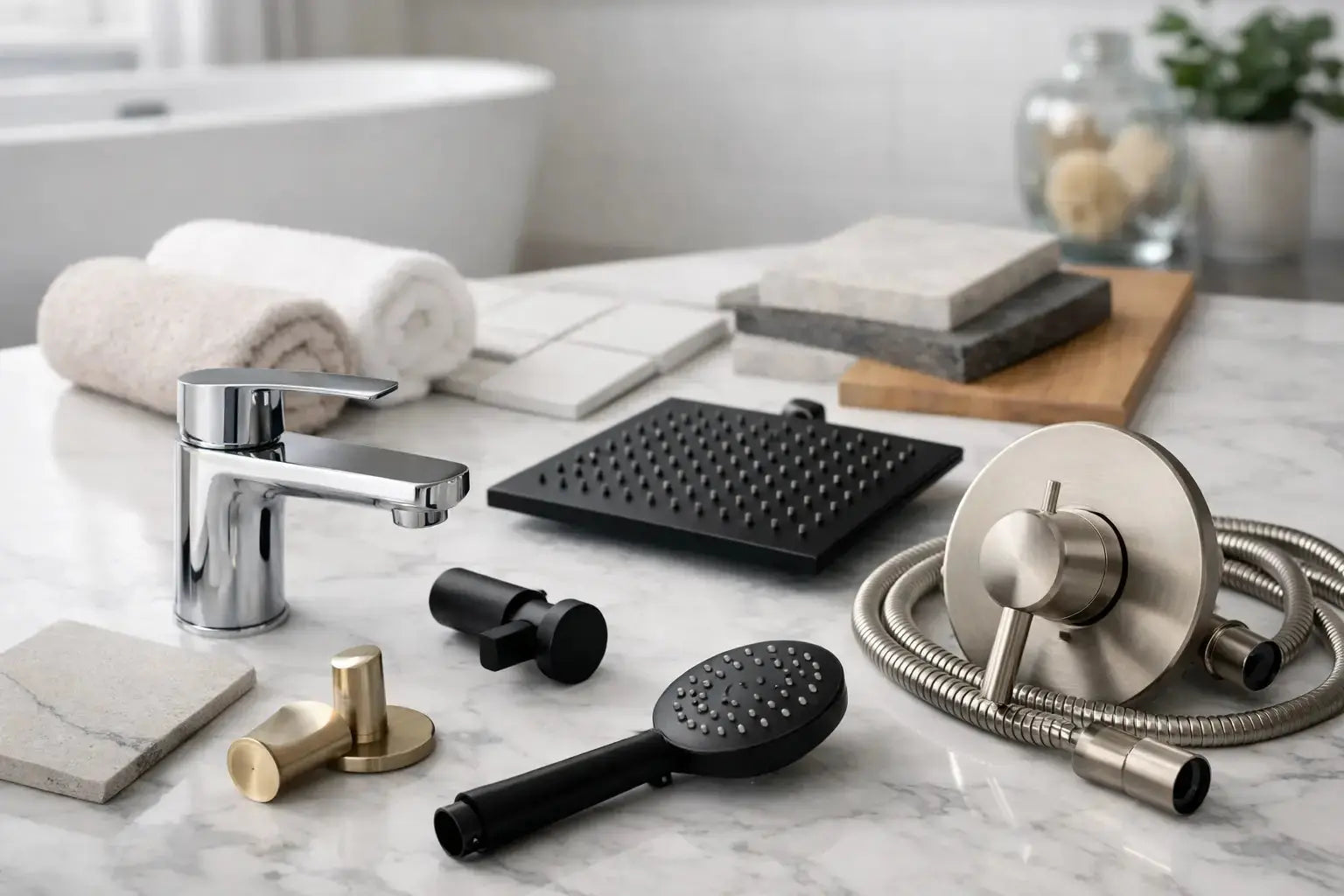
A bathroom renovation usually goes off budget in the same place - fixtures chosen too late, or chosen for looks without checking fit, function, and rough-in requirements first. This bathroom renovation fixture buying guide is built to help homeowners, contractors, and property managers make better product decisions before orders are placed.
The right fixture package does more than improve appearance. It affects installation time, plumbing compatibility, water use, maintenance, cleaning, and how the room feels every day. A matte black faucet may suit the design direction, but if the valve trim is mismatched, the sink depth is wrong, or the vanity top leaves no clearance, the project gets expensive fast.
How to use this bathroom renovation fixture buying guide
Start with the fixed conditions of the room, not the finish. Measure the space, confirm the plumbing locations, and identify what is staying and what is being replaced. In many renovations, the most cost-effective decision is working with existing toilet rough-in, drain placement, and shower valve location rather than moving supply and waste lines.
Next, decide whether the bathroom is being built for resale, daily family use, aging in place, rental durability, or a design-led primary ensuite. Those goals change the fixture mix. A compact powder room needs different priorities than a full family bath, and a luxury ensuite has more room for freestanding tubs, upgraded shower systems, and comfort-height toilets.
Once that is clear, shop in layers. Choose the major fixtures first - toilet, tub or shower, sink, vanity, and faucet families. Then move to the technical items that are easy to overlook, including rough-in valves, drains, mounting hardware, trim kits, and replacement parts compatibility.
Toilets: fit first, features second
Toilets are often narrowed down by style and brand, but fit should come first. The rough-in measurement matters most. In many Canadian homes, 12-inch rough-in is standard, but older properties may differ. Buying the wrong rough-in creates delays that no finish upgrade can fix.
Bowl shape and projection also affect comfort and clearance. Elongated bowls are generally more comfortable, while round-front models help in tighter footprints. If the room is compact, measure from the finished wall to the front obstruction point, not just to the vanity edge shown on a plan.
Flushing performance, water consumption, and maintenance matter just as much as appearance. Skirted toilets offer a cleaner look and easier exterior cleaning, but installation can be slightly more involved. Smart toilets and bidet-integrated options add comfort and hygiene features, though they may require electrical planning and greater budget flexibility.
Faucets and sink sets: match the installation type
A faucet should never be selected in isolation. It has to match the sink drilling, spout reach, vanity scale, and daily use pattern. Single-hole faucets keep the deck cleaner and suit more contemporary vanities. Widespread faucets offer a more traditional or premium look, but they need the correct hole spacing and enough deck surface.
Spout height and reach are frequent problem areas. A vessel sink may need a taller faucet or wall-mount installation, while a shallow basin can create splash if the water stream hits too close to the drain or too high above the bowl. This is where product dimensions matter more than showroom impressions.
Finish choice is partly aesthetic and partly practical. Chrome remains one of the easiest finishes to coordinate and maintain. Brushed nickel and stainless-style finishes are forgiving with fingerprints and water spots. Matte black and warmer metallic finishes create stronger visual impact, but they usually need more deliberate coordination across shower trim, accessories, and lighting.
Showers and tubs: think in systems
Shower buying mistakes usually happen when trim is purchased without confirming the valve, or when performance expectations do not match the plumbing setup. A rain head, hand shower, and body spray configuration may look appealing, but the system needs the right rough-in valves, diverters, pressure balance or thermostatic control, and enough water delivery to perform as intended.
For straightforward renovations, a pressure-balance shower system is often the practical choice. For larger ensuites or multi-function showers, thermostatic systems offer more precise control and a more premium experience. The trade-off is cost and complexity. If the bathroom is used by children or seniors, temperature control and ease of use should carry more weight than feature count.
Bathtub selection starts with installation type and floor strength, then moves to dimensions and bathing comfort. Alcove tubs are efficient and familiar for many family bathrooms. Drop-in and undermount tubs suit more customized deck installations. Freestanding tubs make a strong design statement, but they need proper surrounding clearance, suitable floor space, and careful planning for the drain and filler location.
If the tub will also serve as a shower, cleaning and water containment become more important than sculptural appeal. A beautiful tub with awkward access or poor splash control becomes less attractive very quickly in a busy home.
Vanities and sinks: storage matters more than most buyers expect
Vanities are often chosen on style alone, then forced into a room with poor door swing, limited drawer access, or plumbing conflicts. Width is only one dimension. Depth, drawer construction, interior plumbing cutouts, countertop overhang, and mirror or medicine cabinet alignment all affect usability.
For family bathrooms, drawer storage is usually more valuable than open shelving. Deep drawers handle grooming tools and bulk supplies better than cabinet cavities with limited organization. In a powder room, visual lightness may matter more, so a floating vanity or smaller footprint can make the space feel less cramped.
Sink type changes the look and the cleaning routine. Undermount sinks keep countertop wiping simple. Vessel sinks create a stronger design point but demand more attention to faucet height and splash control. Integrated tops can simplify coordination and reduce installation variables.
Don’t overlook rough-in valves, drains, and parts
This is where many otherwise well-planned renovations stall. Finished fixtures get most of the attention, but rough-in components determine whether installation goes smoothly. Shower systems need compatible valves and diverters. Freestanding tubs need the correct drain assemblies. Faucets may need matching supply lines, deck plates, or drain kits depending on the model and sink configuration.
Replacement part availability should also factor into the buying decision, especially in frequently used bathrooms or commercial settings. Recognized brands with strong parts support usually make long-term ownership easier. That matters for contractors and property managers who do not want a minor service issue turning into a full fixture replacement.
A selection-driven supplier such as Plumbing Market is valuable here because the finished trim, technical components, and replacement parts can be sourced within the same product ecosystem instead of pieced together from multiple sellers.
Brand, budget, and where to spend more
Not every fixture needs to sit at the same price tier. In most bathroom renovations, it makes sense to prioritize budget around high-use items and harder-to-replace components. Shower valves, toilet performance, faucet reliability, and vanity construction usually deserve more attention than trend-driven accessories.
Premium brands can justify their price through finish quality, cartridge performance, design consistency, and parts support. That said, the best value is not always the most expensive item in the category. A secondary bathroom may benefit more from a durable mid-range toilet and practical chrome faucet than from boutique finishes that add cost without improving day-to-day function.
Consistency matters. If the bathroom combines a premium tub filler, entry-level sink faucet, and unrelated trim styles, the result can feel disjointed. A coordinated product family often gives a cleaner final look than isolated statement pieces.
Common buying mistakes to avoid
One common mistake is ordering based on photos without checking specification sheets. Another is assuming all matte black finishes or brushed metals will match across brands. They often do not. If visual consistency matters, keep major visible fixtures within the same finish family and compare closely.
Another issue is underestimating lead times and installation sequencing. Some items, such as rough-in valves and in-wall components, must be on site before walls are closed. Others, such as mirrors and accessories, can come later. Buying in the wrong order creates avoidable project pressure.
Finally, do not treat fixture selection as separate from the installer. Contractors and plumbers can flag clearance issues, valve requirements, and compatibility problems before purchase. That input is usually cheaper than a change order.
Final checks before you buy
Before placing the order, confirm five things: measurements, rough-in compatibility, mounting type, included components, and finish consistency. Then review who will install each item and whether electrical, tile, cabinetry, or structural work affects the selection.
The best bathroom fixtures are not just attractive on a product page. They fit the room, support the way the space is used, and reduce surprises during installation. Buy with the full system in mind, and the renovation tends to feel more controlled from the first rough-in to the final clean.


