

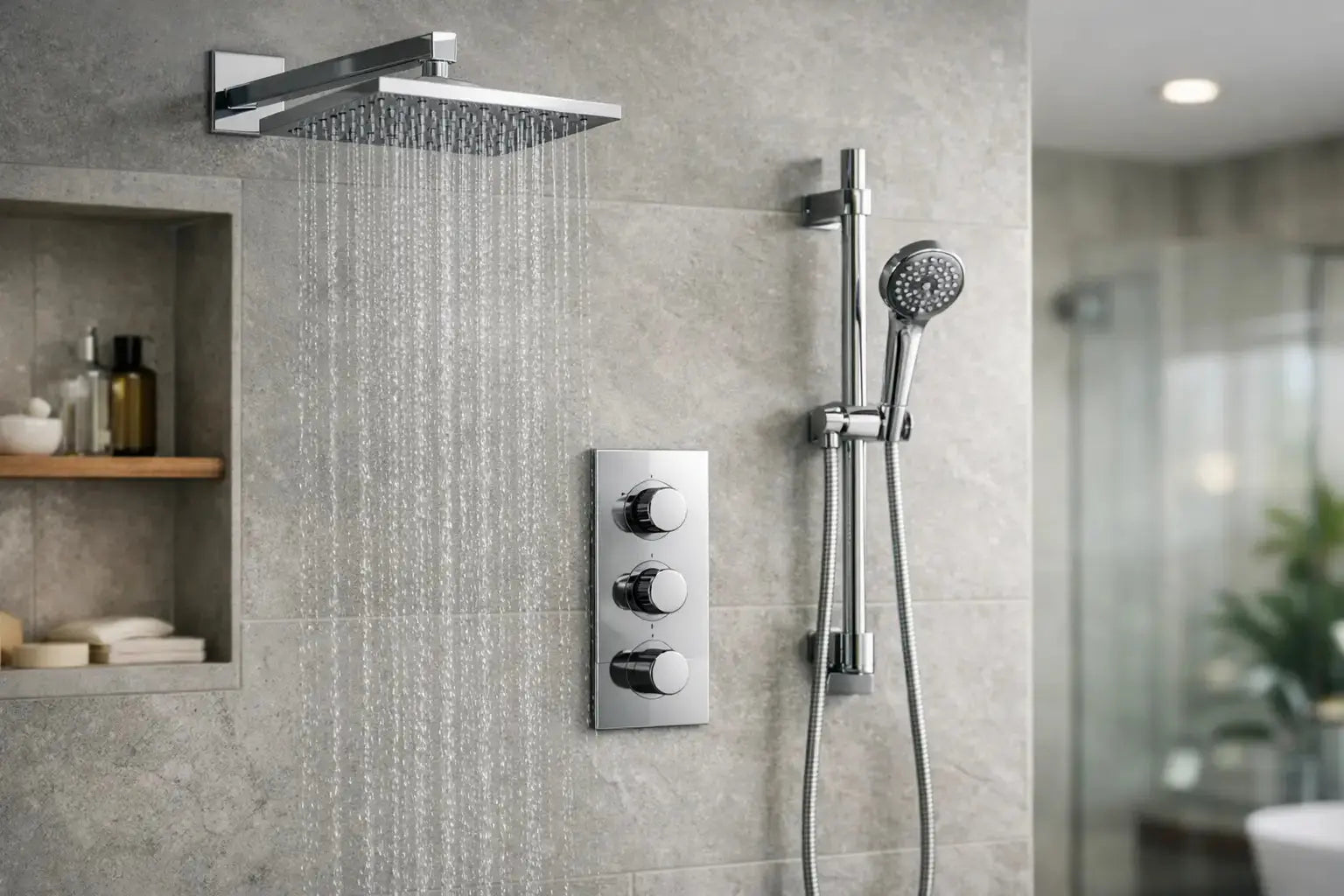
A shower renovation usually looks simple until you open the wall. Then the real decisions start - valve compatibility, water pressure, spray functions, rough-in depth, finish durability, and whether the system you like actually suits the space you have. If you are comparing the best shower systems for renovation, the right choice is rarely the most expensive model. It is the one that fits your plumbing, your layout, and the way the bathroom is used every day.
For most renovation projects, the best approach is to choose the shower system after you confirm three things: the existing plumbing configuration, the size of the enclosure or tub-shower area, and whether you are doing a cosmetic update or a full rework behind the wall. That distinction matters. A trim-only refresh gives you fewer options. A full renovation with open walls gives you far more freedom to change valve type, add body sprays, upgrade to a thermostatic system, or move from a basic showerhead to a complete rain shower setup.
What counts as the best shower systems for renovation
In renovation work, “best” usually means the system solves problems rather than creating new ones. A good-looking set with the wrong valve or poor flow performance is not a good buy. The best shower systems for renovation balance design, function, and installation reality.
Pressure-balanced systems remain one of the most practical choices for many Canadian homes. They help maintain more consistent temperature if someone elsewhere in the house uses water at the same time. For family bathrooms, guest bathrooms, and straightforward upgrades, they are often the right fit because they are simpler and usually more budget-friendly than advanced multi-function systems.
Thermostatic shower systems make more sense when comfort and control are priorities. They allow more precise temperature setting and are especially useful in primary ensuites or higher-end renovations. They also support more complex configurations, such as a rainhead paired with a hand shower or body sprays. The trade-off is cost. They typically require more planning, more components, and a larger budget for both product and installation.
Then there are shower systems designed around convenience. A rail-mounted hand shower with an integrated diverter can be ideal in smaller bathrooms, tub-shower combinations, and homes where accessibility matters. Not every renovation needs a ceiling-mounted rainhead and multiple outlets. In many cases, a well-built showerhead and hand shower combination delivers better daily value.
Start with the plumbing, not the finish
This is where many renovation budgets slip. Homeowners often shop by style first, but contractors and plumbers know the valve is the core of the system. If you are replacing an existing shower, the rough-in valve determines what trim and functions can work. In some cases, staying within the same brand family simplifies the project. In others, opening the wall and replacing the valve is the cleaner long-term choice.
If your renovation already includes tile removal or back wall access, it is usually worth evaluating a full valve replacement. That gives you more flexibility in trim design and future serviceability. If the wall is staying intact, your options narrow quickly, and compatibility becomes critical.
Water pressure should also guide product selection. Large rainheads and body spray systems can look impressive in a showroom, but they are not always practical in homes with modest pressure or limited hot water capacity. A compact, high-quality showerhead often performs better than an oversized fixture that never feels strong enough.
Best shower system types for common renovation scenarios
Tub-shower renovations
For a standard tub-shower replacement, a pressure-balanced system with a fixed showerhead and optional hand shower is usually the strongest value. It covers daily use, keeps installation straightforward, and suits family bathrooms where maintenance and reliability matter more than complexity.
If the space is tight, avoid bulky trim and oversized heads that crowd the wall area. A clean, compact setup in chrome or brushed nickel often works best because it is easy to coordinate with faucets, drains, and accessories.
Walk-in shower upgrades
A walk-in shower gives you more room to improve the experience. In this setting, a thermostatic system with a separate hand shower starts to make sense, especially in a primary bathroom. The extra control feels more substantial in daily use, and the hand shower adds practical flexibility for rinsing walls, washing pets, or supporting aging-in-place needs.
If the enclosure is not especially large, keep the outlet count focused. A rainhead plus hand shower is often enough. Adding body sprays in a modest footprint can clutter the wall and complicate the rough-in without delivering much real benefit.
High-end ensuite renovations
This is where multi-function shower systems can justify their price. If the renovation includes new plumbing lines, upgraded water supply, and enough enclosure space, a thermostatic valve with two or three outlets can create a noticeably better result. Premium brands such as Riobel and TOTO are often considered here because fit, finish, cartridge quality, and trim design become more important at this level.
Still, high-end does not mean feature-heavy by default. Sometimes the better decision is a refined two-outlet system with excellent controls and durable finish quality, rather than an overbuilt setup that sees little use.
Features worth paying for
Some shower features improve daily use immediately. Others are mostly visual. If you are trying to spend carefully, put your budget into the parts you touch and depend on every day.
Thermostatic control is one of the upgrades that often proves its value over time. So is a hand shower, especially when mounted on a slide bar. It adds flexibility without the cost or complication of a fully custom system. Easy-clean nozzles are another practical detail, particularly in areas with mineral buildup. Better finish durability also matters more than many buyers expect, especially in busy family bathrooms.
By contrast, very large rainheads, multiple body sprays, and elaborate digital interfaces are more conditional. They can be excellent in the right setting, but only when the plumbing infrastructure and budget support them properly.
Finish, maintenance, and long-term fit
Chrome remains one of the safest finish choices for renovation projects. It is widely available, easy to match across categories, and generally simple to maintain. Brushed nickel and matte black are also popular, but they create different maintenance expectations. Matte black can show residue more visibly. Warm metallic finishes can elevate the look of the room, but matching accessories and future replacement parts may take more effort.
The best shower system is also one you can service. Established brands with strong parts availability are often worth the premium because cartridges, trim pieces, and replacement components are easier to source later. That matters in renovation work, where long-term practicality should carry as much weight as first impression.
Brand selection matters more in renovation
New construction gives you a blank slate. Renovation does not. That is why brand selection is not just about appearance. It is also about valve ecosystems, trim compatibility, service parts, and how broad the overall assortment is when you need to coordinate matching fixtures.
For shoppers who want to compare design-forward shower systems alongside rough-in valves, trim, hand showers, drains, and other bathroom essentials in one place, category depth becomes a real advantage. A retailer such as Plumbing Market is built for that type of project planning, where the finished fixture and the technical component need to be selected together.
How to avoid the wrong shower system
The wrong choice usually comes from buying too early or buying too visually. Before ordering, confirm the wall condition, valve requirements, outlet count, water pressure, and shower dimensions. If a contractor or plumber is involved, get their input before locking in the trim package.
Also be realistic about use. A kids’ bathroom, condo ensuite, and luxury primary bath do not need the same type of system. Good renovation results come from matching the product to the room, not from choosing the most elaborate option available.
If you want the shortest path to a strong result, start with a reliable valve, choose the number of functions you will genuinely use, and select a finish that works with the rest of the bathroom. That is usually how the best shower systems for renovation earn their place - not through extras, but through the right fit for the project at hand.
When the wall is open, you have one chance to make the shower work properly for the next decade or more. Choose the system that fits the plumbing, fits the room, and still feels like a good decision long after the tile is dry.


